Our mission is to build a supportive community of caregivers through accessible and inclusive opportunities with resources that connects families navigating the needs of their child in any therapy, regardless of diagnosis.
Browse through our resource library with links to information about therapy, helpful websites and organizations, diagnosis specific support groups, local community resources, and more! You can also review our directory of C.I.T.Y. sponsors, and find loads of tips and support in our blog, newsletter, and free e-learning portal!
Guest blog contributed by: Laura Zimmerman, Marketing and Events Directorand Lauren Pridgeon, Board Certified Behavioral Analyst (BCBA) and Strategic Development Coordinator with Motivated Learners.
When it comes to Applied Behavior Analysis (ABA) therapy for children with autism, misconceptions are common. In this article, we’ll explore what ABA therapy truly involves, and what it doesn’t. We’ll break down some of the most common myths and provide clear, fact-based answers to help parents and caregivers make informed decisions.
Myth #1: ABA is exclusively used for children with autism.
FACT: Although ABA is most traditionally used for autism, it is a science of behavior used in several settings. ABA can be used to work with children with ADHD and other developmental delays. Some even use it to guide individuals in corporate behavior change and to grow skills in sports.
Myth #2: ABA is only about control and compliance.
FACT: Modern ABA as opposed to older methods, which focused primarily on compliance, focuses on teaching increasing independence, teaching meaningful, functional skills and improving quality of life. While learning to listen and follow instructions is incorporated, it is one of many valuable skills developed to help each individual thrive.
Myth #3: ABA utilizes punishment to change behavior.
FACT: It is true that in older models of ABA, punishment was a part of the process. However, today’s modern practices focuses on positive reinforcement of behavior, with a heavy emphasis on what motivates the child. They emphasize respectful and ethical approach to encourage more positive behaviors from the individual.
Myth #4: ABA turns children into robots.
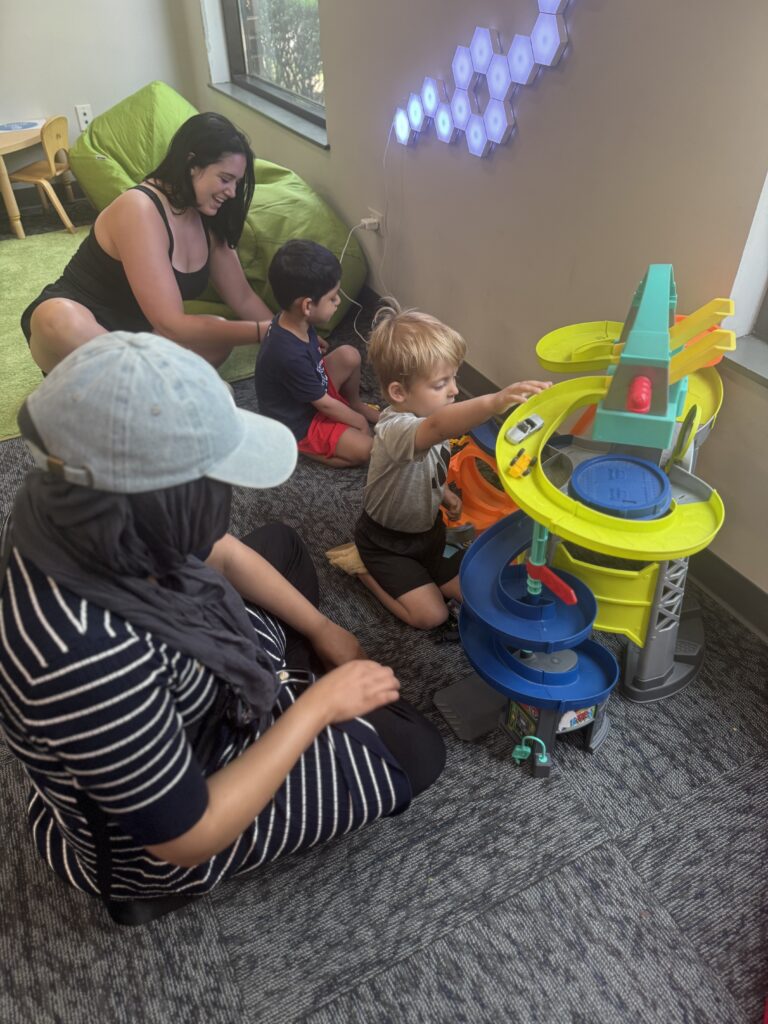
FACT: ABA utilizes different approaches to learning including natural environment teaching (such as in home or school settings), as well as play-based learning to promote natural and flexible behavior, focusing on what motivates each child uniquely.
Myth #5: ABA ignores relationships and emotions.
FACT: ABA therapists regularly consider the child’s social motivation, emotions, and unique interests. Once a solid and trusting relationship is built, ABA therapists are able to begin working on skills such as emotional regulation, increasing social skills and strengthening parent-child relationships.
Myth #6: ABA looks the same for all individuals.
FACT: On the contrary, ABA is highly individualized to each unique learner. Programs are specially tailored to each child’s needs, age, preferences, strengths and goals.
Myth #7: ABA is outdated.
FACT: ABA is evidence-based and continuously evolving, incorporating new research, ethical standards and people-centered approaches.
Myth #8: Only therapists do ABA.
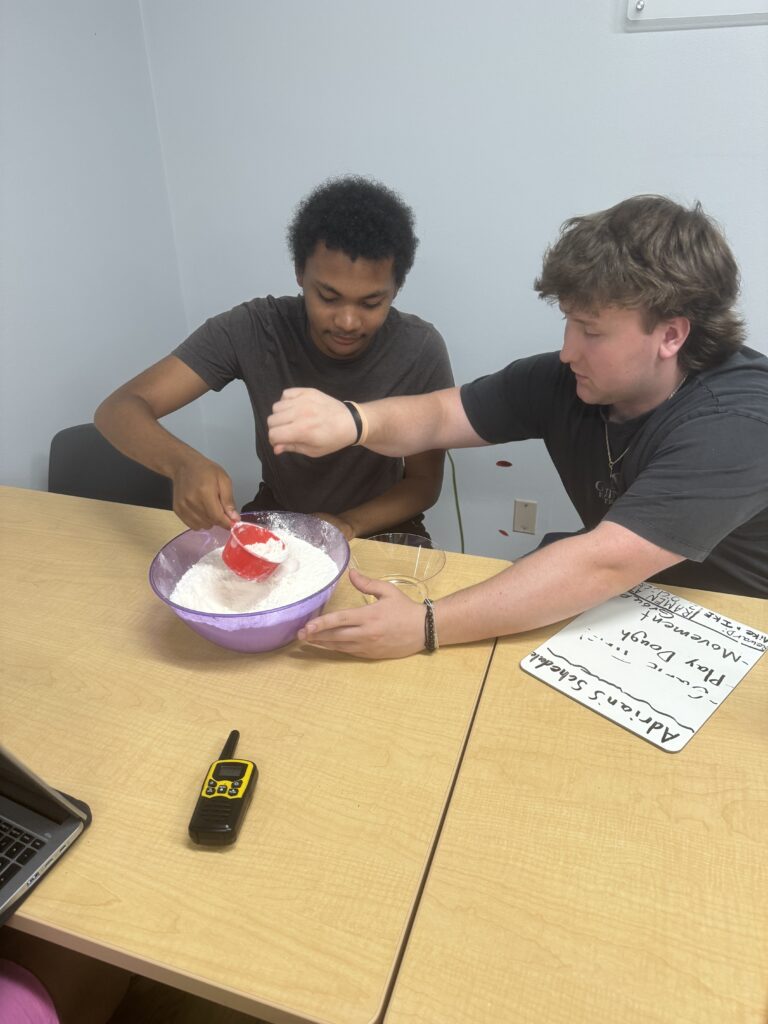
FACT: Parents, teachers, and caregivers can be trained to use ABA principles, making it a collaborative effort that extends beyond therapy sessions and into everyday life and multiple settings.
Myth #9: ABA requires a full-time commitment.
FACT: ABA therapy is highly individualized and tailored to meet the unique needs of each child. While early intervention programs may recommend more intensive schedules of therapy—often between 10 to 40 hours per week- this is to help build foundational skills and support school readiness. This does not mean every child will need full-time therapy. The number of recommended therapy hours is determined through careful assessment and is always based on what will benefit the individual child most.
Myth #10: ABA therapy will pull my child out of their traditional educational setting.
FACT: ABA therapy is designed to complement—not replace—your child’s educational experience. It often works in coordination with a child’s Individualized Education Program (IEP) to support their success in the classroom. Many ABA providers offer preschool and kindergarten readiness programs that help children build the social, communication, and learner readiness skills necessary for a smooth transition into traditional educational settings.
In Conclusion:
ABA therapy is often misunderstood. Taking the time to view it through the lens of modern practices reveals that it is a flexible, evidence-based, and compassionate approach to supporting children with autism and other developmental needs. ABA helps children grow in ways that are practical, socially enriching, and aligned with their unique strengths by focusing on positive reinforcement, individualized goals, and meaningful skill-building. ABA therapy isn’t about control or outdated methods, it’s about helping children build meaningful skills, independence, and confidence in ways that fit their unique needs. By focusing on positive reinforcement and individualized goals, ABA can support your child’s growth both at home and in school.
Laura Zimmerman
Marketing & Events Director
Laura brings years of experience supporting children and families in both educational and community settings. She spent a decade as a children’s program director at a local church before transitioning into roles as a preschool director and community advocate. Today, she channels her passion for helping families into the field of ABA therapy, where she partners with the team at Motivated Learners to make a meaningful difference in the lives of children and their communities.
Lauren Pridgeon
Board-Certified Behavior Analyst (BCBA) and Strategic Development Coordinator
Lauren is a Board-Certified Behavior Analyst (BCBA) originally from the Chicagoland suburbs. She earned her degree in Cross-Categorical Special Education from the University of Wisconsin–Madison and spent five years teaching special education in the North Chicago area. During that time, she received her Early Childhood Education endorsement and completed her masters in Applied Behavior Analysis at Ball State University. Lauren began her ABA career as an ABA therapist while pursuing her graduate studies and quickly developed a strong connection with both the clients and applied behavior analysis as a specialty. She has since worked full-time as a BCBA and is dedicated to helping children reach their fullest potential through compassionate, evidence-based practices.
We provide high quality ABA Therapy, parent coaching and school consultation services with a strong focus on collaboration and community. Our experienced team works closely with families, educators and other professionals to design personalized, evidence-based interventions. By combining expertise and compassion, we help individuals unlock their full potential. Our commitment to excellence and meaningful outcomes sets us apart as trusted leaders in the field of Applied Behavioral Analysis.
References
Anderson, A., & Hudson, A. (2022). 5.05 – Applied behavior analysis. In G. J. G. Asmundson (Ed.), Comprehensive Clinical Psychology (2nd ed., pp. 67–88). Elsevier. https://doi.org/10.1016/B978-0-12-818697-8.00088-1
da Silva, A. P., Souza, R. P., de Souza, C. R., Rocha, C. S., Oliveira, A. M., Ferreira, D. G., … & Teixeira, A. L. (2023). Applied behavioral analysis for the skill performance of children with autism spectrum disorder. Frontiers in Psychiatry, 14, 1093252. https://doi.org/10.3389/fpsyt.2023.1093252
Granpeesheh, D., Tarbox, J., & Dixon, D. R. (2009). Applied behavior analytic interventions for children with autism: A description and review of treatment research. Annals of Clinical Psychiatry, 21(3), 162–173. https://doi.org/10.1177/104012370902100304
Ingersoll, B., Lewis, E., & Kroman, E. (2007). Teaching the imitation and spontaneous use of descriptive gestures in young children with autism using a naturalistic behavioral intervention. Journal of Autism and Developmental Disorders, 37(8), 1446–1456. https://doi.org/10.1007/s10803-006-0221-z
MyTeamABA. (2025, May 20). Supporting behavioral change through positive reinforcement in ABA therapy. MyTeamABA. Retrieved August 26, 2025, from https://www.myteamaba.com
SoaringHigh ABA. (2025, June 25). The role of parent-child interaction in ABA therapy success. SoaringHigh ABA.Retrieved from https://www.soaringhighaba.com
Sneed, L. R. (2021). Treatment efficacy of parent-led ABA for children with autism and their parents (Doctoral dissertation, Walden University). Walden Dissertations and Doctoral Studies, 10685. https://scholarworks.waldenu.edu/dissertations/10685
The information and opinions presented in each blog post belong to each individual author. The purpose of C.I.T.Y. of Support’s collaborative blog is to help connect families and professionals to different community resources, and we do not specifically endorse any particular recommendations provided herein.