The Summer Slide: Understanding Summer Regression

Posted on May 28, 2026

Creating a stress-free approach to potential regression during the summer months.


Guest blog contributed by: Callie Gilsenan, MS, BCBA, LBA, a Board Certified Behavior Analyst at CST Academy, a multidisplinary pediatric therapy and preschool organization serving families across Chicagoland. Join Callie as she hosts a FREE, live hybrid discussion on Thursday, June 25th from 7:00-8:00pm in-person at the GENEROC.I.T.Y. Shop (with free childcare available) and via zoom.  veryone is welcome, but registration is required. Register here to participate in-person and Register here to participate on zoom Professionals: this webinar has also been submitted for Early Intervention credit.


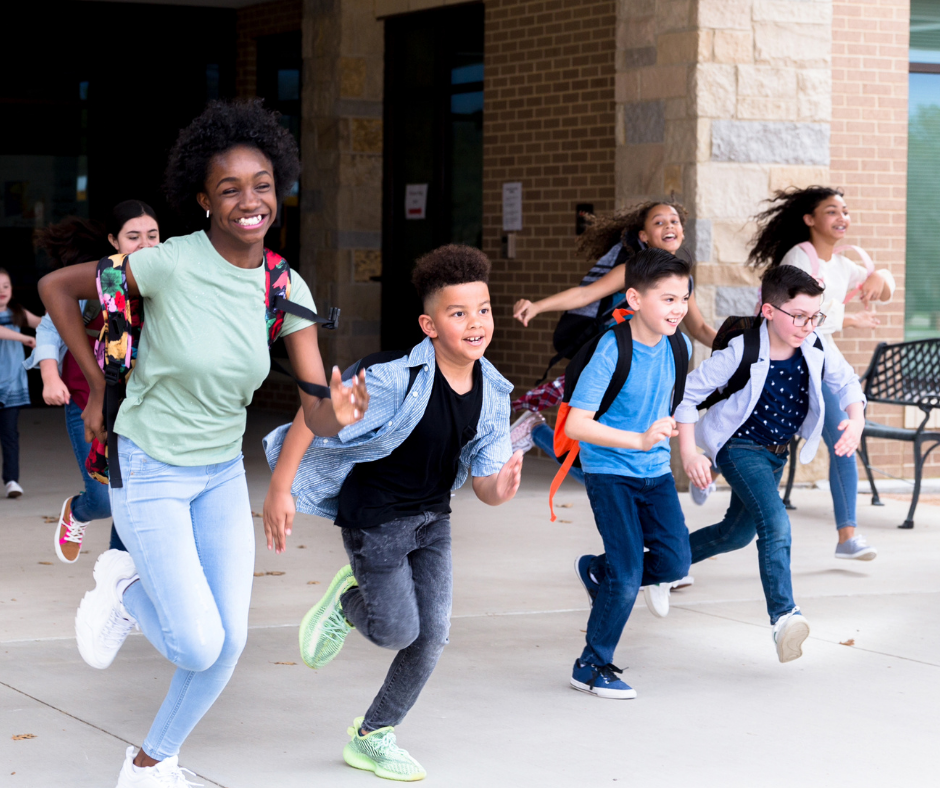
Many view summer as an opportunity for a break from learning. Maybe you’ve seen movies like The Sandlot (1993), where kids are running around unsupervised and muddy, and thought, “they’re just kids being kids!” Although the summer break gives kids a chance to make lifelong memories outside the confines of a classroom, the associated freedom often comes with significant changes in routine and deterioration of skills built during the school year. This phenomenon is known as the “summer slide.”

The summer slide is a colloquial term for the regression of skills over a long break from daily structure, a concept which has been studied since as early as 1966 (Astrew 2019). Despite the best efforts of parents, teachers, and clinicians working with kids, summer breaks are often a major change in routine which reduces the day-to-day consistency that kids rely on to maintain skills. Kids receiving therapeutic interventions with or without a diagnosis may require additional planning and individualization to mitigate the summer slide, due to communication differences, rigidity, or behavioral challenges.

Although the idea of our kids regressing in any capacity is nerve-wracking, it’s important to acknowledge that regression is a common experience for all people! Think about a time that you yourself have regressed: maybe you’re under stress from a project, meeting up with old friends, or spending the weekend in your old childhood home. Oftentimes, this regression is temporary, and the skills you’ve learned soon return with practice. Like you, your child’s regression is a natural part of life. It does not mean that your child won’t be able to build the skills back or continue to develop them.

When the school year ends, your child will likely experience a change in structure and routine, as well as a reduction in opportunities to learn and practice skills. Fortunately, there are many strategies you can use to limit the extent of this regression. Many families have the opportunity to enroll their children into camps, classes, extended school year (ESY), or increased therapeutic services during the summer. Even if these are not options for your family, many other strategies can be used to maintain skills.


Creating a daily schedule or routine can provide your child with clear expectations and opportunities to practice skills they developed during the school year. These routines should include daily living skills such as toileting routines, brushing teeth, getting dressed, and bathing. Additionally, including social opportunities and new experiences in the routine may help maintain social skills learned during the school year as well as the ability to manage the flexibility in routine that children often experience at school. For social opportunities, look out for events provided through the local park district, libraries, C.I.T.Y. of Support, and more!

In order to maintain skills learned academically, we encourage discussing with your child’s teacher prior to the end of the school year to determine ways to practice and create learning opportunities for your child over the summer. Many teachers will provide infographics with recommendations, as well as summer reading information. Additional learning opportunities can be included through daily activities based on goals from your child’s school, such as incorporating math and literacy by measuring, sequencing, and reading recipes while cooking together (Smith, 2025).

You can help your child continue learning through everyday tasks and activities by modeling language, narrating activities, and joining your child’s play schemes at home. Focusing on low-pressure, engaging activities can help your child participate in learning without even realizing it! Their routines and education can be sustained without sacrificing the mental break that summer offers from continuous learning at school.

Besides the change in routine, there may be additional underlying reasons that your child is experiencing regression in the summer months, such as sensory sensitivities or overload, stress, or burnout. If you feel that your child may be experiencing these challenges, it is recommended that you discuss with your pediatrician or social work specialist.

In conclusion, “the summer slide” is a common and well-researched concept that many children experience, regardless of whether they have therapeutic interventions or diagnoses. Although regression is not inevitable, it is not necessarily detrimental when it happens. In other words: don’t stress yourself out! Do your best with what you have and know that you’re not alone.

Callie Gilsenan, MS, BCBA, LBA

Board Certified Behavior Analyst

Callie is a Board Certified Behavior Analyst (BCBA) with over 9 years of experience in the field of ABA. She provides individualized, data-informed treatment to children and adolescents to increase communication, social, and adaptive skills while addressing behaviors that may interfere with learning. Her approach aims to create a safe and fun space for children to learn and grow by using a practical and strengths-based approach, with a focus on increasing independence and helping each child make meaningful progress in their daily lives. 

CST Academy

CST Academy is a multidisplinary pediatric therapy and preschool organization serving families across Chicagoland. With eight locations, CSTA provides applied behavior analysis (ABA), speech, occupational, physical, and feeding therapy to children with a wide range of needs. At the heart of everything CSTA does, there is a commitment to meeting each child where they are and walking alongside families every step of the way. 

The information and opinions presented in each blog post belong to each individual author. The purpose of C.I.T.Y. of Support’s collaborative blog is to help connect families and professionals to different community resources, and we do not specifically endorse any particular recommendations provided herein.